


Brent Shapiro-Albert

This user hasn't shared any biographical information
Posts by Brent Shapiro-Albert

Simulating Snow | ScienceLog #4
May 20th
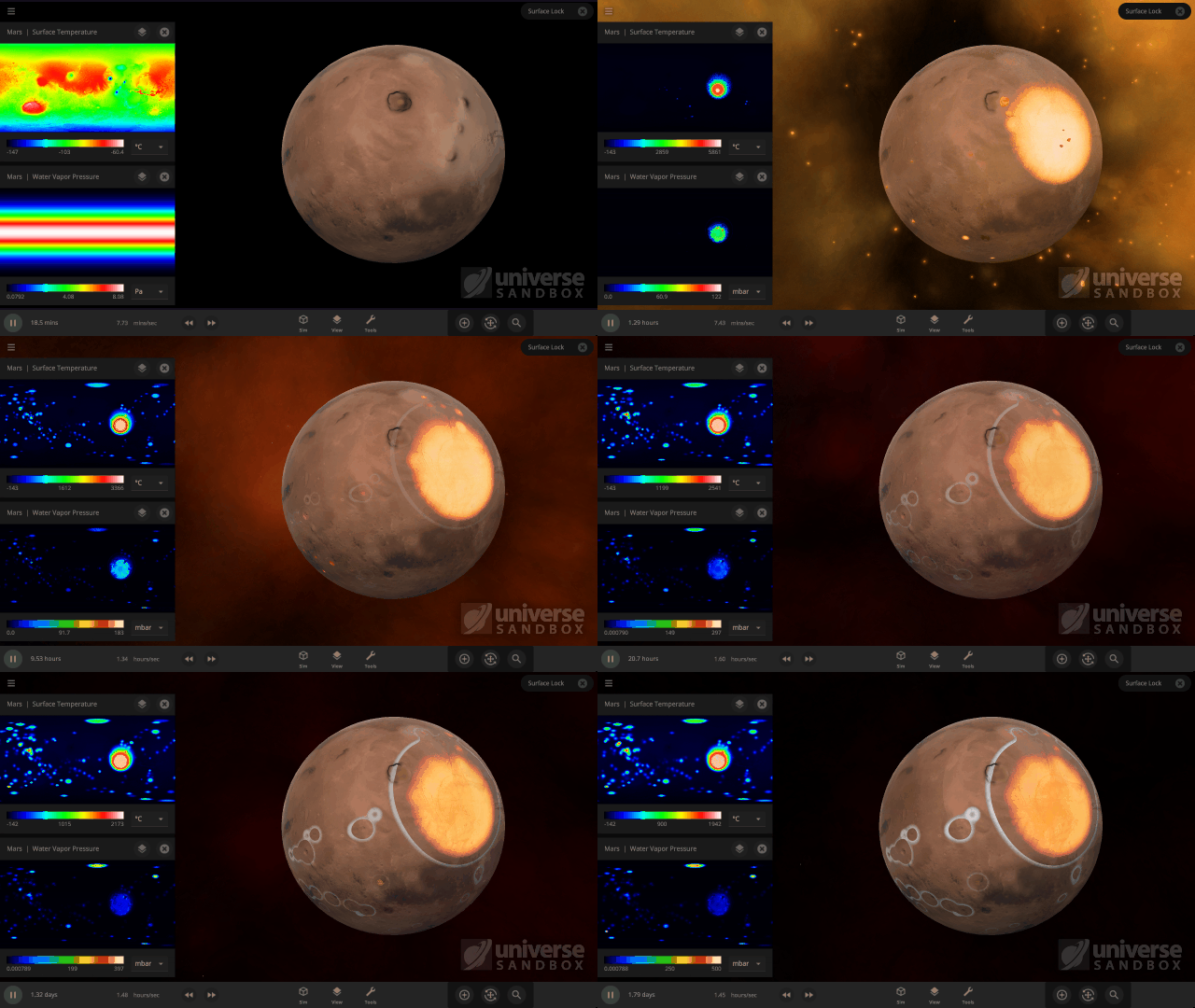
It turns out it’s a lot harder to simulate snow, or any weather for that matter, than it is to simulate regular surface water. In Universe Sandbox the phases of water on the surface of an object depend just on the sea level temperature, and we even make sure to conserve the total surface water mass in all of its phases, which you can find under Properties > Surface > Total Water Mass. However, because snow depends on so many other conditions we don’t keep track of it in the same way.
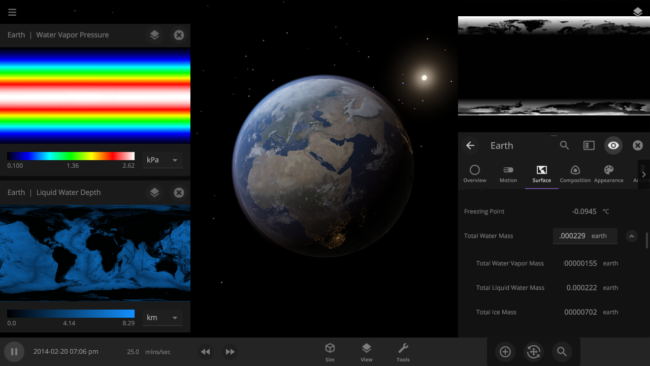
Like all phases of water, snow is also tracked with surface grids, which we discussed in our first ScienceLog. We simulate snow by checking if each point on the surface grid has the right elevation, amount of water vapor, and surface temperature, needed for snow to form. If the point meets all of our checks, we know snow needs to be added to that point. This is much more complex than how we simulate ice, which only depends on whether the sea level temperature of a point on the surface grid is below freezing.
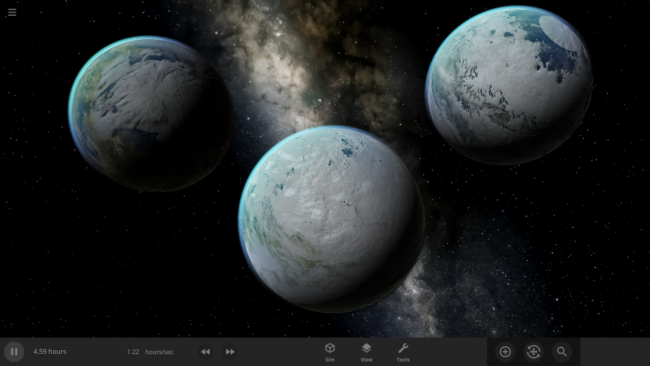
As of Update 27 we’re also keeping a record of where snow is being formed. One thing this allows us to do now is add and remove snow more realistically. This is a big improvement over our previous snow simulation where snow would just appear and disappear instantaneously depending on the properties of each point on the surface grid at any given time. We’re also doing a better job of simulating snow and ice on random planets by stabilizing the water phases and then running our snow checks when the planet is created.
At the Speed of Snow
Now, you may be wondering why we don’t just simulate snow with the rest of the phases of water. To do that, we would need to simulate the entire water cycle, which we just can’t do accurately at simulation speeds faster than about one second per second on a desktop computer (yet). Even organizations like NASA need supercomputers to accurately simulate weather! This limitation comes from how fast we can allow water to flow through the points on a surface grid and maintain a stable surface simulation. In the water cycle, the phases change much faster than we can simulate the flow rate of water. This means we can’t keep track of which points should have which phases. For simulating the phase changes of water on the surface of a planet, like liquid water to ice, we aren’t limited because the flow rate of water is faster than the phase changes of this surface water. However, as consumer computers get faster, our snow simulation has the potential to become more realistic. So while we may not have personal supercomputers anytime soon, you can still check out how much better snow looks by checking out the Tidally Locked Earth or Mars Collisions Sims.
This blog post is part of our ongoing series of ScienceLog articles, intended to share the science behind some of Universe Sandbox’s most interesting features. If you would love to learn about the real-life science powering our simulator, please stay tuned and let us know what you would like to read about next.
To join our community discussions, please join us on our Steam Forum and our official Discord community.

Fast & Flurrious | Update 27
May 3rd
Run Steam to download Update 27, or buy Universe Sandbox via our website or the Steam Store.
Update 27
Snow simulation improvements, more detailed temperature maps, better performance, new cloud visuals, and more are rolled up into Update 27.
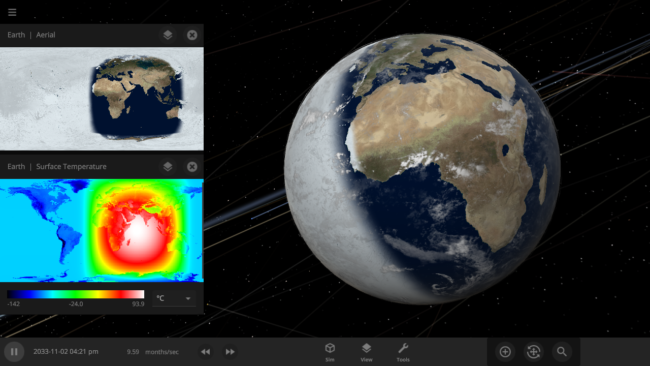
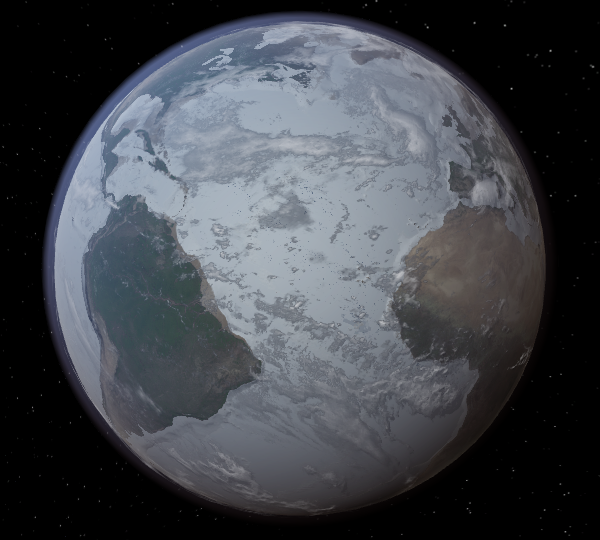
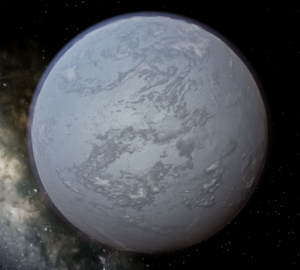
The featured image shows what would happen if the Earth was tidally locked, where one side of the planet always faces the Sun.
Superior Snow Simulation
We’re now keeping track of snow so that it falls and melts more realistically. Previously it disappeared immediately if the water vapor got too low. There’s also more accurate snow and ice formations on newly-created random rocky planets!
Taking the (Surface) Temperature
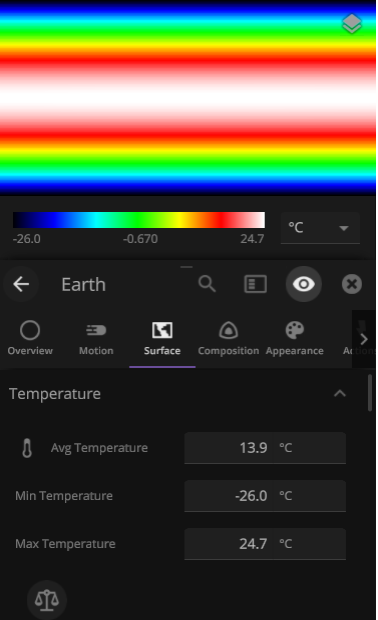
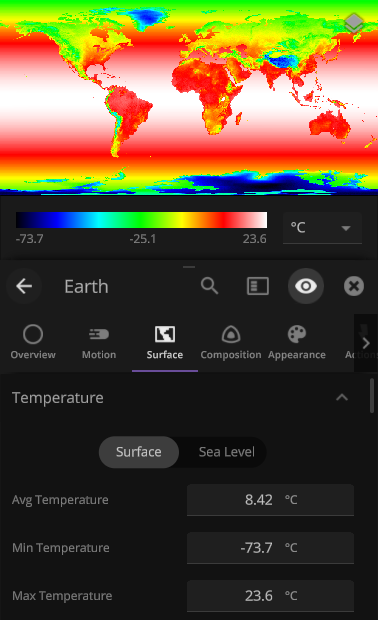
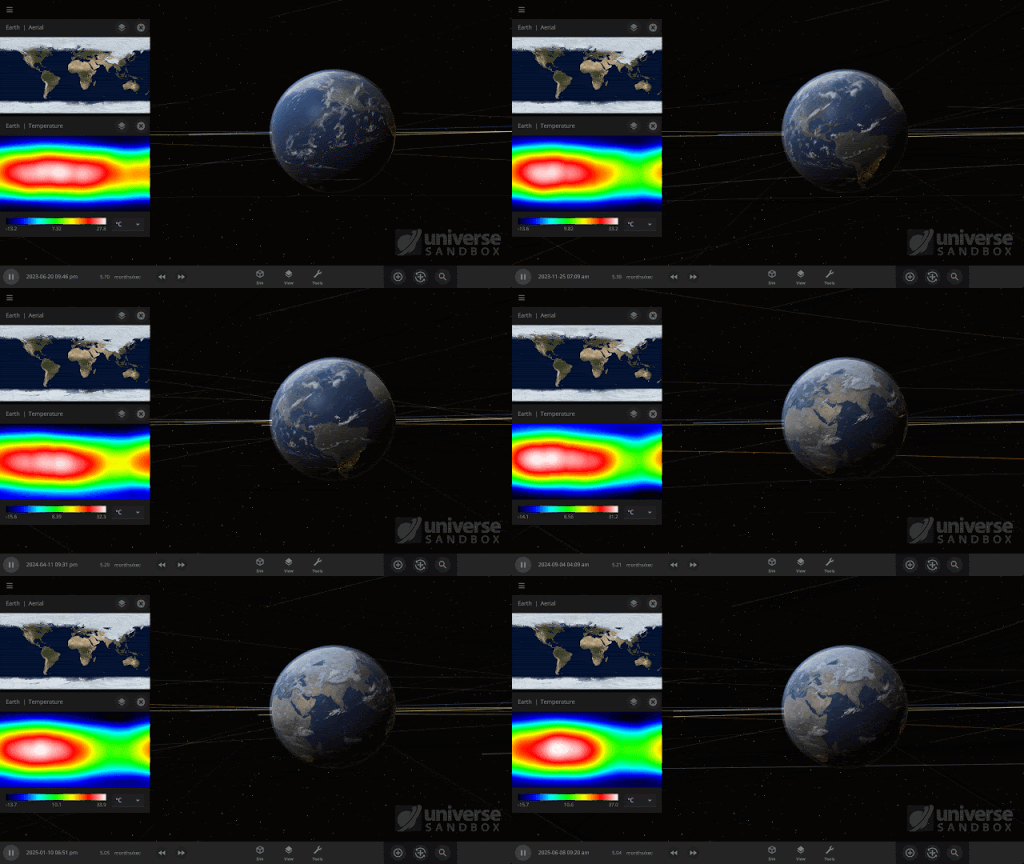
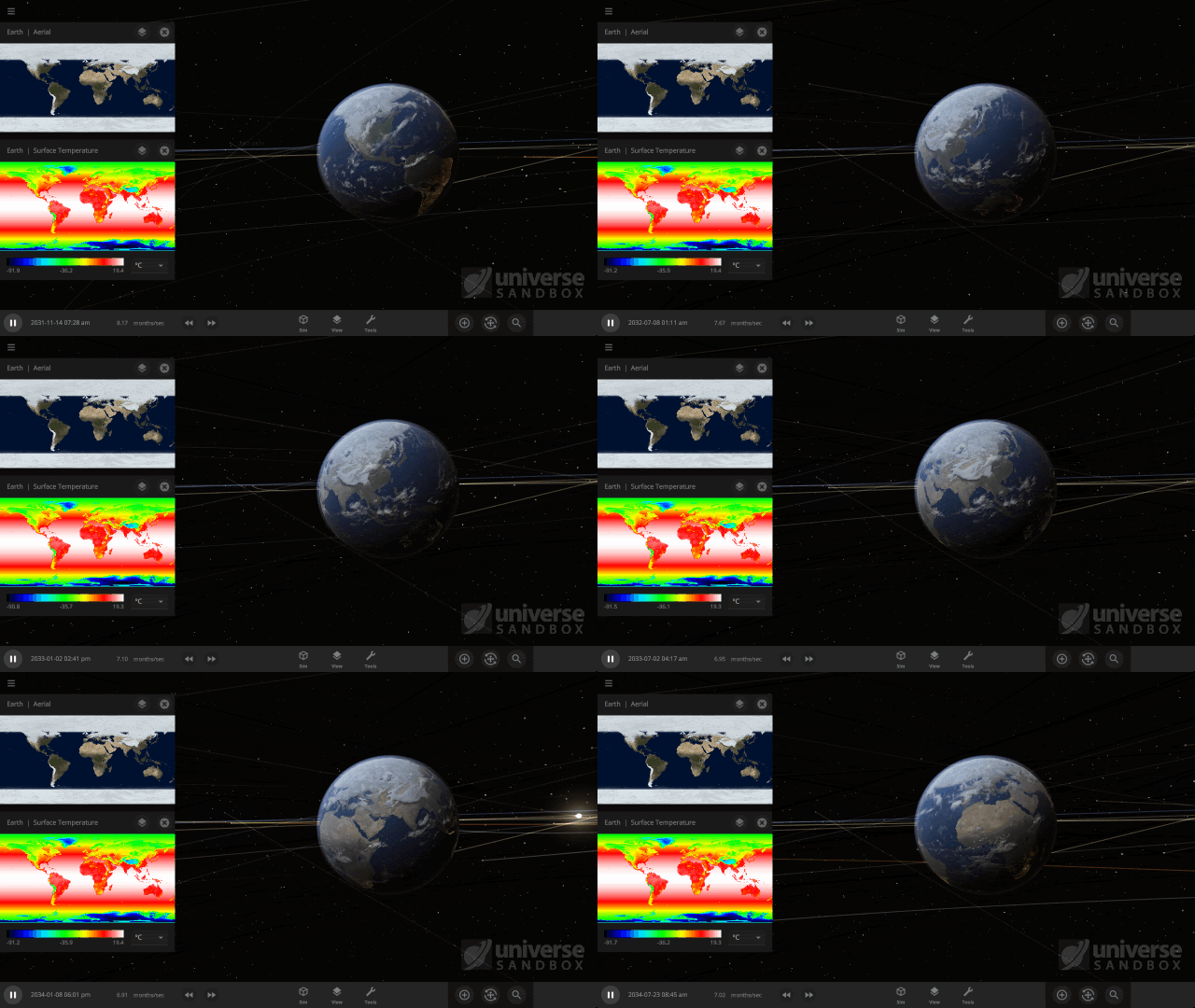
Temperature maps have gotten a facelift with the addition of temperature calculations adjusted by elevation. Previously temperature maps were only shown at sea level, even if the elevation data was above sea level.
Downscaling to Benefit Non-gaming Hardware
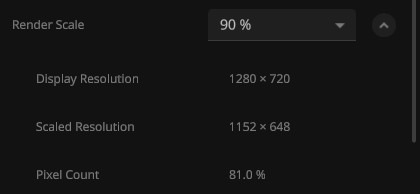
Render Scale has been added as a new graphics setting. This allows you to run the simulation at a lower resolution while keeping the interface looking crisp. The automatic settings have also been updated for improved performance on lower-end hardware.
More Highlights
- More customization for cloud visuals on rocky planets, including adjustable coverage and opacity
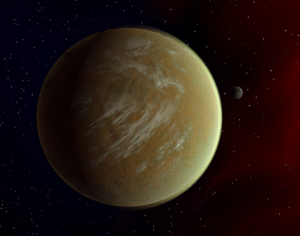
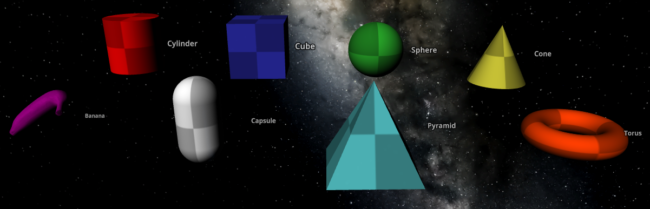
- We’ve added new shapes to our Human Scale Objects
- …and Human Scale Objects can now have custom colors
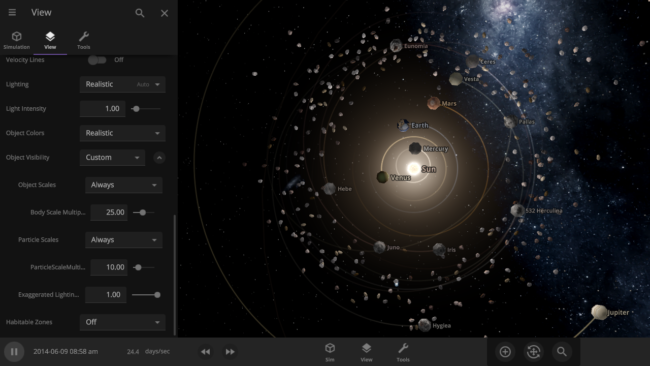
- View > Object Visibility has been added so that you can see all objects that would normally be impossible to see at realistic scales. You can also really blow them up with advanced settings!
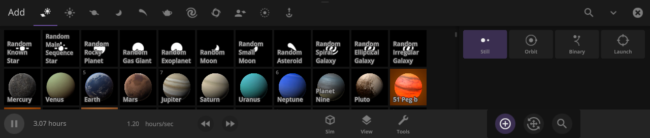
- The Add Panel has been restyled to accommodate smaller screens and to prepare the panel for future plans
- Heating from stars and supernovae is now smoother at high simulation speeds for all spinning objects
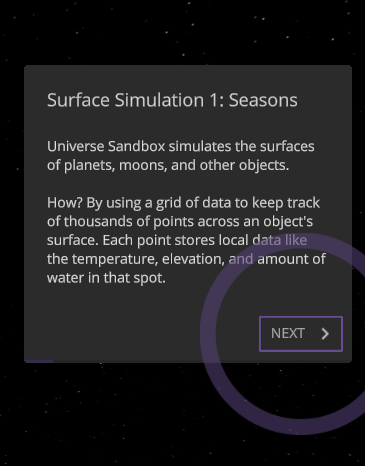
- Our guide system now provides better assistance to new users with Guide Rails
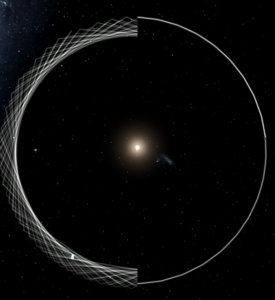
- Curved trails are now more precisely rendered as at high simulation speeds
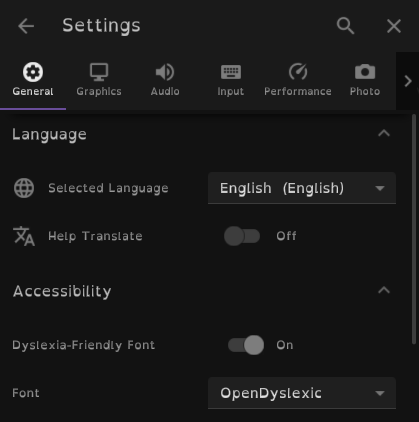
- Dyslexia-friendly font options have been added under Settings > General > Accessibility
Check out the full list of What’s New in Update 27
Please report any issues on our Steam forum, on Discord, or in-game via Home > Send Feedback.
Hiring a UI Engineer & Universe Manipulator
Feb 17th
This position has been filled. Thank you to everyone who applied.
If this still sounds like an ideal job for you, please reach out. We are always looking for more help from the right candidates.

Universe Sandbox is a space and gravity simulator masquerading as a video game with over 800,000 unit sales and an overwhelmingly positive 95% rating on Steam.
Giant Army is looking for a creative and highly technical software engineer/programmer to help implement and polish the user interface that controls the universe.
This position will work closely with our creator & designer, and with support from the rest of the team, to execute our vision of a clean, minimalistic, accessible interface. Universe Sandbox development is one-half UI and one-half simulation; you should have a passion for both.
We embrace responsive design to use the same UI and codebase across all platforms (currently on Desktop, VR/AR, while working toward mobile and console releases). You should have an eye for interface animations, and take delight in pixel-perfect polish and consistency.
You might be the perfect candidate if you’ve ever agonized over blurry UI elements that are supposed to be crisp, or a UI transition that’s slightly too fast. We take heavy inspiration from Google’s Material Design system.
This is a full-time, remote position working with a 100% remote team.
Join us. We’re making something incredible that’s unlike anything else.

Your Role
- Implement UI that makes our complex simulation accessible, based on our designer’s mockups and style guide
- Make sensible decisions over matters of UX where there are gaps in the provided design
- Maintain and proactively iterate on UI in our Unity project
- Constantly evaluate motion, spacing, and timing to create a smooth experience
- Stay current on Unity UI tech and trends
- Think critically about and help us solve complex UX problems
- Where does a new property go? What is it named? How do you show that it’s related to another property?
Qualifications
- Strong C# skills
- Experience with creating user interfaces in Unity (we use uGUI, but are looking to UI Toolkit for the future)
- Excited about clean design and elegant user experiences
- Strong attention to detail and a love of polish & iteration
- Passion for science, astronomy, and real-time interactive simulations
- Love of fantastical what-if scenarios: what-if.xkcd.com (note citation #6 on 148)
- Ability to see things from our user’s perspective
- Demonstrable experience – professional or personal projects showing your talent
- Enjoys video games; experience with Steam
Company Overview
Giant Army is a profitable company wholly owned by Universe Sandbox’s original creator. Our headquarters are in Seattle, Washington, USA, with team members across the United States, Germany, Denmark, and Australia.
Team members enjoy a flexible, collaborative environment that values work-life balance. We are independently published and release updates on our own (relaxed) schedule.
Giant Army provides generous paid time off, new hardware/software reimbursements, and other benefits.
We pursue features that get us excited about science. We strive to create an accessible experience that can’t be found anywhere else.
As a fully remote team since 2011, we rely on Google Workspace (Gmail, Calendar, Docs, Spreadsheets, Meet), Slack, Groove, GitHub, ZenHub, Unity, and WordPress.
We believe science and video games are for everyone, regardless of identity, and we’re committed to making an inclusive workplace. We encourage anyone who shares our passion for space to apply.
Product Overview
Universe Sandbox is a physics-based space simulator that allows you to create, destroy, and interact on an unimaginable scale. Experiment with gravity, climate, and collisions to reveal the beauty of our universe and the fragility of our planet.
It’s more than a game; it’s a way of experiencing and learning about reality in a way that’s never been done before.
Universe Sandbox is available on Windows, Mac, Linux, and VR with mobile in development and future platforms planned. We’ve sold over 750,000 copies and have an “Overwhelming Positive” rating on Steam with 95% positive user reviews.
If we don’t have an active job opening that fits your skillset, but if working on Universe Sandbox is your dream job, send us an email telling us why and we’ll at least send you back a reply.
How to Apply
This position has been filled. Thank you to everyone who applied.
If this still sounds like an ideal job for you, please reach out. We are always looking for more help from the right candidates.